
The Ultimate Ring Size Guide
Choosing a ring is often treated as a purely aesthetic decision—a hunt for the right stone or the perfect metal. However, the true soul of a “masterpiece” lies in its fit. A ring that is too tight becomes a daily nuisance, while one that is too loose risks becoming a lost memory.
The challenge? Your finger is a living, breathing part of your body. It expands in the heat of a summer afternoon, contracts in the winter chill, and reacts to everything from your morning coffee to your gym routine. Finding the perfect size is a delicate dance of millimeters—where a difference as small as 0.4mm can be the bridge between lifelong comfort and constant irritation.
In The Ultimate Ring Size Guide, we are moving beyond the standard plastic sizer. We will explore how your profession, your daily “scenes,” and even the width of the band itself dictate how a ring should sit on your hand. Whether you are measuring for a surprise proposal or upgrading your own daily hardware, this guide will ensure your ring feels like a natural extension of yourself.
The Anatomy of Sizing: Understanding Millimeters & Width
When we talk about ring size, we are venturing into a world of precision where fractions of a millimeter define your daily comfort. A ring isn’t just a circle; it’s a three-dimensional object that interacts with your skin, bone, and movement. To find your “masterpiece” fit, you have to look past the number on the tag and understand the geometry of the band.
The Millimeter Mystery: How Sizes Actually Work
In the jewelry world, the difference between a size 7 and a size 7.5 is often as small as 0.4mm in diameter.
- Inside Diameter: This is the measurement across the center of the ring’s interior.
- Circumference: This is the total distance around the inside of the band.
Because the human finger isn’t a perfect cylinder, these tiny increments matter. A ring that is 0.5mm too small can pinch the skin, while one that is 0.5mm too large might slide off during a brisk walk.
The “Wide Band Rule”
One of the most common mistakes in sizing is ignoring Ring Width. The wider the band, the tighter it will feel.
- Standard Bands (2mm – 4mm): These cover less skin, allowing your finger to “breathe” and move easily. Your measured size is usually spot-on here.
- Wide Bands (6mm – 12mm): These trap more skin underneath the metal, creating more friction.
The Pro Rule: If you are buying a band wider than 6mm, you should typically order 1/4 to 1/2 size larger than your standard measurement to maintain the same level of comfort.
Comfort Fit vs. Standard Fit
The “anatomy” of the interior of the ring is just as important as the size.
- Standard Fit: The interior of the ring is flat. it sits flush against your finger. This is common in thinner, traditional bands.
- Comfort Fit: The interior is slightly domed or “convex.” This means less metal touches your skin, making it easier to slide over the knuckle.
Note: Because Comfort Fit rings have more “room” inside the dome, they often run about a half-size larger than Standard Fit rings.
Sizing Comparison Table
| Measurement Type | Impact on Fit | Adjustment Needed |
|---|---|---|
| Thin Band (<3 mm) | Minimal friction | True to size |
| Wide Band (6mm) | High friction/surface area | Go up 1/2 size |
| Comfort Fit | Domed interior | Go down 1/2 size |
| Standard Fit | Flat interior | True to size |
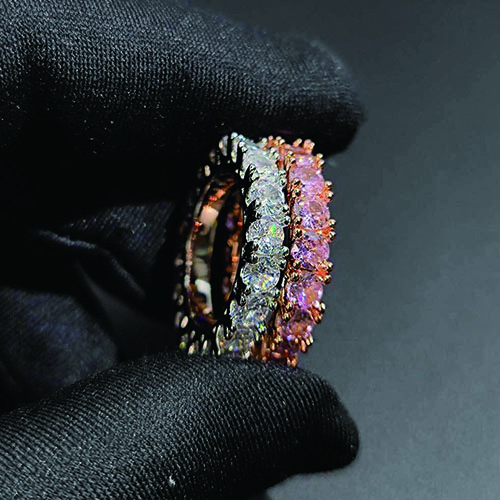
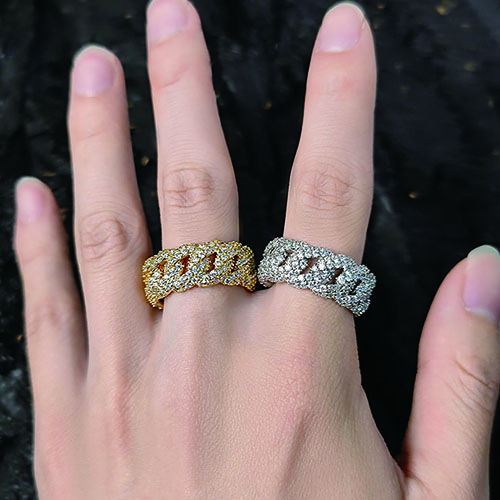
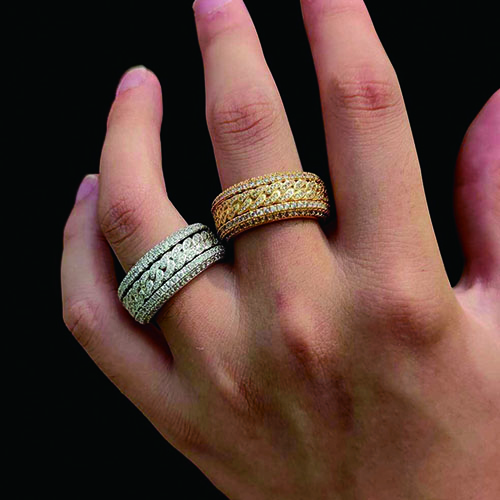
Gender-Neutral Considerations & Hand Shapes
The secret to a ring that looks like a “masterpiece” is balance. A band that looks bold and intentional on one hand might look overwhelming or diminutive on another. Understanding your hand shape is the first step in choosing a width that feels custom-made for you.
The “Knuckle Factor”
One of the most common sizing hurdles is the prominent knuckle. If your knuckle is significantly wider than the base of your finger, you face a classic dilemma: a ring that fits over the knuckle will spin at the base, but a ring that fits the base won’t go on at all.
- The Solution: Size for the knuckle, but choose a wider band (6mm or more). The increased surface area creates more friction at the base, preventing the ring from spinning or sliding too freely.
- Pro Tip: For those with very slender fingers and large knuckles, “sizing beads” (two small metal orbs added to the inside of the band) can be installed by a jeweler to act as a stabilizer.
Matching Width to Finger Length
Hand shapes generally fall into four categories, and each has an “ideal” width range that creates visual harmony:
- Long, Slender Fingers: You have the most flexibility. You have the most flexibility. Thinner bands (2mm-3mm) emphasize elegance, while very wide bands (8mm+) can “shorten” the finger for a more balanced look.
- Short Fingers: To create the illusion of length, stick to thinner bands (1.5mm-4mm). A wide band can “cut off” the finger, making it appear shorter than it is.
- Wide/Large Hands: Small, dainty rings can get “lost” on a larger hand. To make a statement, look for widths between 5mm and 9mm.
- Small/Petite Hands: Keep the proportions scaled down. A 2mm to 4mm band usually provides the most comfortable and aesthetic fit without overwhelming the hand.
Tapered vs. Straight Bands
Gender-neutral designs often play with the “silhouette” of the band.
-
Straight Bands: These maintain the same width all the way around. They feel modern, architectural, and substantial.
-
Tapered Bands: These are wider at the top and thinner at the bottom (near the palm).
The Benefit: They provide the “look” of a bold, wide ring while allowing for more flexibility and comfort when you close your hand into a fist.
Proportions at a Glance
| Hand Characteristic | Suggested Width | Design Goal |
|---|---|---|
| Prominent Knuckles | 6mm+ or Sizing Beads | Prevent spinning & ensure passage |
| Short Fingers | 1.5mm – 3mm | Elongate the finger silhouette |
| Wide Fingers | 5mm – 8mm | Balance the visual weight |
| Active/Sporty Hands | Tapered Bands | Maximum mobility and grip |
Tailoring Your Fit: The Best Sizes for Every Setting
When choosing a ring, “one size fits all” rarely applies to your lifestyle. The way a ring sits on your finger should change based on your environment and activity level. To keep your masterpieces secure and comfortable, consider these recommendations for your three most common “scenes.”
1. The Home Body: Comfort & Durability
At home, your hands are at their most active—cooking, cleaning, or simply relaxing.
- The Fit: Aim for a “Standard Comfort” fit. You want a ring that is loose enough to allow your skin to breathe while you’re doing chores, but tight enough that it won’t slip off into the garbage disposal or down the drain.
- Size Tip: If you frequently use lotions or hand creams at home, your finger becomes more “slippery.” A ring that feels perfect when dry might slide off when wet, so ensure there is a firm “click” of resistance when passing over the knuckle.
2. The Professional: Sleek & Secure
Whether you’re typing at a desk or presenting in a boardroom, your work ring should be an extension of your professional persona—not a distraction.
- The Fit: Go for a “True-to-Size” snug fit. If your ring is too loose, it will tap against your keyboard or mouse, which can be noisy and lead to premature wear on the band.
- The Swell Factor: Offices are often climate-controlled. If your workplace is kept cold, your fingers may shrink slightly. Ensure your “work size” accounts for the morning chill to avoid the ring spinning around your finger all day.
3. The Party Scene: Style & Presence
Events and parties often involve socializing, holding drinks, and expressive hand gestures.
- The Fit: Consider a “Slightly Generous” fit (up about 0.25 size), especially for statement pieces or wide bands. Socializing often involves sodium-rich appetizers and celebratory drinks, both of which can lead to minor finger swelling by the end of the night.
- Security Check: Since you’ll likely be moving your hands more while talking or dancing, ensure that even if the ring feels a bit roomier, it cannot be shaken off with a vigorous hand movement.
Ring Size Recommendations at a Glance
| Setting | Recommended Fit | Primary Goal |
|---|---|---|
| Home | Standard / Relaxed | Easy removal for chores & hygiene |
| Work | Snug / Precise | Minimal movement & noise during tasks |
| Parties | Generous / Statement | Accommodating evening swelling |
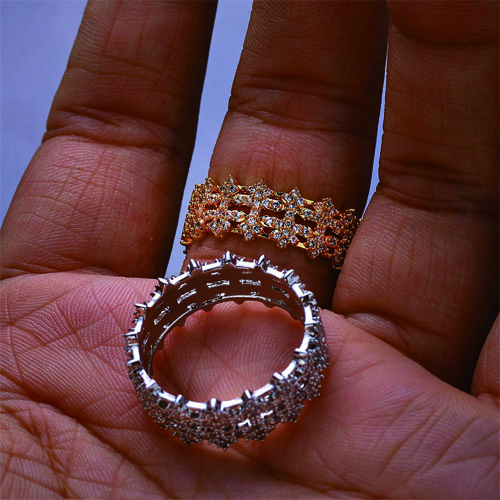
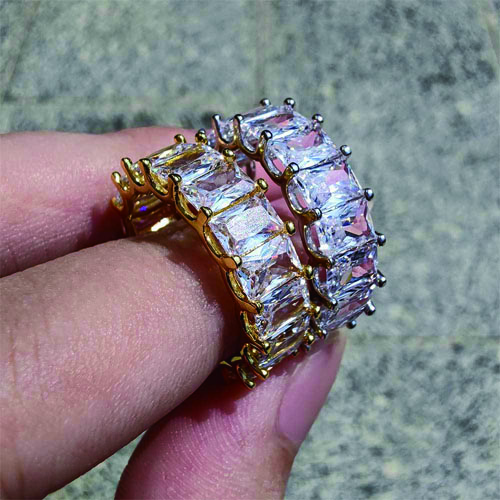
Note: If you are wearing a “Stack” (multiple rings on one finger), remember that the more skin the metal covers, the tighter it will feel. Always size up slightly for wide-band party stacks!
The “Scene” & Environment: Why Your Size Changes
Your fingers are highly sensitive to external factors. Understanding these environmental triggers will help you avoid the panic of a ring that suddenly feels stuck or, conversely, one that feels like it might slide off into the ocean.
1. The Temperature Tug-of-War
Temperature is the most significant factor in how your ring fits.
- The “Winter Chill”: Cold weather causes your blood vessels to constrict (vasoconstriction) to keep your core warm. This can make your fingers shrink by as much as half a size.
The Risk: Your ring may spin freely or slide off when you pull off a glove.
- The “Summer Swell”: Heat causes blood vessels to dilate (vasodilation) to help your body cool down. In humid or high-heat scenes, your fingers will expand.
The Risk: A ring that was comfortable in the store may feel uncomfortably tight or “pinch” the skin by mid-afternoon.
2. The “Altitude & Travel” Effect
Are you planning a destination wedding or a mountain hike?
- Air Travel: The pressurized cabins and recycled air on planes often lead to water retention. Many people find their rings are significantly tighter upon landing than they were at takeoff.
- High Altitude: If your “scene” involves mountains, the lower atmospheric pressure can cause your hands to puff up. If you’re an avid hiker, ensure your ring has a bit of “breathing room.”
3. Lifestyle Chemistry: Diet & Hydration
What you consume directly impacts the circumference of your finger.
- The Sodium Spike: A high-salt meal (think sushi or movie popcorn) causes the body to retain water. If you measure your finger the morning after a salty dinner, you might get an artificially large reading.
- Hydration: Ironically, dehydration can sometimes cause swelling as the body tries to hold onto every drop of fluid.
- The Morning vs. Evening Rule: Never measure your ring size first thing in the morning. Your body holds more fluid overnight, and your hands are often at their thinnest after you’ve been up and moving for a few hours.
4. Seasonal Strategy: When to Buy
If you are buying a “forever” ring, the best time to get sized is during moderate weather and in the late afternoon. This represents your “average” state.
The Fit Test:
- In the Summer: Your ring should feel “snug but not painful.”
- In the Winter: Your ring should feel “loose but not falling off.”
If it meets both criteria, you’ve found the masterpiece fit.
Note for the Reader: To get the most accurate measurement at home, measure your finger at the end of the day when your hands are warm. If you are between sizes, always size up.
Scaling for Success: The Ice Distro Wholesale Advantage
When you’re moving “masterpieces” at scale, precision isn’t just about a good fit—it’s about protecting your bottom line. For our partners at Ice Distro, consistency across high-volume inventory is the backbone of a seamless retail experience. Whether you are stocking a boutique or a national chain, understanding the technical side of wholesale sizing is key to reducing returns and maximizing turnover.
1. The Power of Consistency: Standardized Mandrels
In the wholesale world, a millimeter of variance can mean the difference between a satisfied customer and a costly exchange.
Universal Calibration: We ensure all pieces in the Ice Distro catalog are measured using standardized, laser-calibrated mandrels. This eliminates the “size drift” often seen in hand-forged manufacturing.
2. Bulk Inventory Strategy: The “Bell Curve” Stocking
Not sure which sizes to order for your next wholesale haul? Most successful retailers follow the “Bell Curve” of human anatomy to ensure they aren’t left with dead stock.
- Women’s Best Sellers: Focus your bulk on US Sizes 7 and 8. These represent the vast majority of the market.
- Men’s Best Sellers: Aim for US Sizes 9, and 10.
Ready to choose your perfect ring?
Request OEM Service
Feel free to get in touch with us via this contact form. Our consultant will get back to you within 24 hours