
The Glimmering Dilemma
We’ve all been there: standing at a jewelry counter or scrolling through an online shop, staring at two gold rings that look virtually identical. They share the same sun-kissed glow and the same polished finish, yet their price tags tell two completely different stories. One is a budget-friendly $40, while the other is a staggering $400.
At first glance, it feels like a trick of the light. If they look the same, why pay ten times more for one over the other?
This is the “glimmering dilemma” every jewelry lover faces. The reality is that the most important part of your jewelry isn’t what sits on the surface—it’s what lies beneath. Understanding the “core” of your collection is about much more than just the price tag; it dictates whether a piece will turn your skin green by next week, how long it will stay shiny in your wardrobe, and whether it will actually hold its value over time.
In this guide, we’re pulling back the curtain on Gold VS Gold Plating. We’ll break down the chemistry of these metals, compare the true costs of ownership, and help you decide which “vibe” fits your lifestyle. Whether you’re looking for a lifelong investment or a weekend trend, here is everything you need to know before you buy.
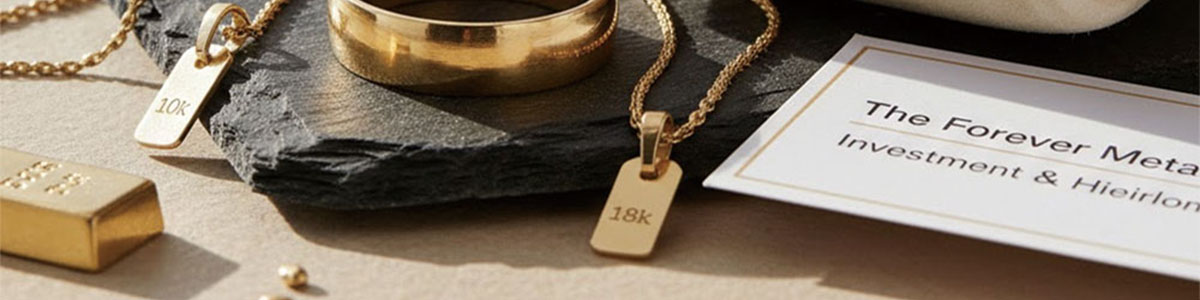
Solid Gold: The Forever Metal
When we talk about “solid gold,” the name is a bit of a misnomer. In the jewelry world, solid gold doesn’t necessarily mean the piece is 100% pure gold; rather, it means the item is gold all the way through. Unlike plated pieces, there is no “mystery metal” hiding under the surface. Whether you scratch it, scuff it, or wear it for fifty years, what you see on the outside is exactly what is on the inside.
Understanding the Karat System
Because pure gold (24k) is incredibly soft—roughly the consistency of a copper penny—it is usually mixed with other metals like copper, silver, or zinc to give it strength. This is where the Karat (k) system comes in, balancing purity with everyday durability:
- 18k Gold (75% Gold): This has a rich, deep yellow glow. It is the most prestigious for fine jewelry but is slightly softer and more prone to scratching.
- 14k Gold (58.3% Gold): The “sweet spot” for most shoppers. It offers a beautiful color while being hard enough to withstand the bumps and bruises of daily wear.
- 10k Gold (41.7% Gold): The most durable and affordable solid gold option. It is highly resistant to scratching, though the color is slightly paler.
The Pros: Why It’s an Investment
The primary strength of solid gold is its longevity. It is a “buy it once, wear it forever” purchase. Because it doesn’t have a base metal core, it is naturally hypoallergenic, making it the safest choice for anyone with sensitive skin. Furthermore, solid gold is tarnish-resistant; it won’t react to water or air by turning black or green. Finally, it holds resale value. If you ever decide to part with it, the gold itself remains a valuable commodity that can be melted down or resold.
The Cons: The Reality Check
The most obvious drawback is the high entry price. Because you are paying for the weight of a precious metal, the upfront cost is significantly higher than any alternative. Additionally, while alloys make it stronger, gold is still a softer metal than steel or brass. Over decades of daily wear, even solid gold rings can develop a “patina” of tiny scratches or slowly thin out—though, unlike plating, these can always be polished away by a professional.
Gold Plating: The Trendsetter
If solid gold is the “forever” metal, Gold Plating is the “right now” metal. It is the secret weapon of the fashion world, allowing designers to create bold, runway-ready looks that don’t require a bank loan to own. For the savvy shopper, gold plating offers the aesthetic of luxury at a fraction of the price, but it comes with a ticking clock.
The Science of the “Dip”
Gold plating is created through a process called electroplating. Instead of being gold all the way through, a base metal—most commonly Copper, Brass, or Stainless steel—is submerged in a chemical solution containing gold. An electric current is then used to bond a microscopic layer of gold to the surface of the base metal.
This layer is incredibly thin, often measured in microns. To put that in perspective, a standard “flash” plating is roughly 0.5 microns thick, which is about 1/100th the thickness of a human hair.
The Pros: Style Without the Sacrifice
The most undeniable strength of gold plating is its extreme affordability. It allows you to experiment with “fast fashion” or seasonal trends—like Large Hip Hop Chains or Delicate Iced out Bracelet—without committing hundreds of dollars to a look that might be out of style by next year. Because the surface is real gold, it looks identical to solid gold the moment you take it out of the box. It’s the perfect choice for travel jewelry or statement pieces you only plan to wear a few times a month.
The Cons: The Wear and Tear
The primary weakness of gold plating is its fragility. Because the gold layer is so thin, it will inevitably wear off over time due to friction against your skin, clothing, or even the air. This leads to two common frustrations:
- Tarnishing: Once the gold wears thin, the base metal underneath (especially copper or brass) reacts with oxygen and moisture, causing the piece to turn dark or dull.
- Skin Irritation: As the gold barrier fades, your skin comes into direct contact with the base metals. For many, this results in the dreaded “green skin” effect or itchy allergic reactions, particularly if the base metal contains nickel.
The “In-Between” Combinations (The Hidden Gems)
Most shoppers assume they have to choose between the high cost of solid gold or the short lifespan of gold plating. However, there is a “middle ground” in the jewelry world—hybrid metals that offer better durability than plating without the four-figure price tag of solid gold. Understanding these hidden gems is the best way to get the most “bang for your buck.”
Gold Vermeil: The Sensitive Skin Savior
Pronounced ve-may, Gold Vermeil is a high-quality version of plating with two strict requirements: the base metal must be Sterling Silver, and the gold layer must be at least 2.5 microns thick.
- The Strength: Because the “core” is silver rather than brass or copper, it is much better for sensitive skin.
- The Vibe: It feels heavier and more “fine” than standard fashion jewelry, making it a favorite for independent designers.
Gold-Filled: The Practical Powerhouse
Don’t let the name confuse you—Gold-Filled jewelry isn’t actually “filled” with gold; it’s a thick “sandwich” of solid gold mechanically bonded to a base metal (usually brass) using heat and pressure.
- The Strength: By law, the gold content must be at least 5% of the item’s total weight. This means it contains up to 100 times more gold than standard plating.
- The Longevity: With proper care, gold-filled pieces can last 5 to 20 years without wearing through, making it the closest thing to solid gold performance at a fraction of the cost.
Head-to-Head Comparison Table
When you’re standing at the jewelry counter, you need the facts fast. This table breaks down how the primary “gold” options stack up against each other across the most important categories.
| Feature | Solid Gold (14k/18k) | Gold-Filled | Gold Vermeil | Gold Plating |
|---|---|---|---|---|
| Base Metal | None (Gold Alloy) | Brass or Bronze | Sterling Silver | Brass, Steel, or Zinc |
| Durability | Lifetime+ | 5–20 Years | 1–3 Years | 6–12 Months |
| Water Exposure | High (Shower/Pool safe) | Moderate (Limit salt/chlorine) | Low (Keep dry) | Very Low (Avoid moisture) |
| Skin Sensitivity | Hypoallergenic (Best) | Generally Safe | Great (Silver base) | Potential Irritant |
| Maintenance | Occasional polish | Gentle cleaning | Wipe with soft cloth | Delicate care |
| Price | $$$$$ | $$$ | $$ | $ |
How to Read This Table
- Choose Solid Gold if this is a “signature” piece you never plan to take off, such as a wedding band or a daily-wear necklace. It is the only option that truly handles “life” (showering, sweating, and sleeping) without losing its luster.
- Choose Gold-Filled if you want the performance of gold but have a moderate budget. It’s the perfect compromise for high-friction items like bracelets.
- Choose Gold Vermeil if you have sensitive skin but want an affordable, high-quality trendy piece. Because the base is silver, it won’t cause the reactions that cheaper base metals might.
- Choose Gold Plating for “one-off” events, costume parties, or experimenting with a bold trend you might not like next season.
Care Tips: Making Your Gold Last
No matter which option you choose, how you treat your jewelry determines how long that signature sparkle remains. While solid gold is famously resilient and gold plating is more delicate, both benefit from a little bit of “TLC.”
For Solid Gold: The Easy Maintenance
Solid gold is low-maintenance, but it isn’t “no-maintenance.” Over time, oils from your skin, soaps, and dust can create a film that dims its natural glow.
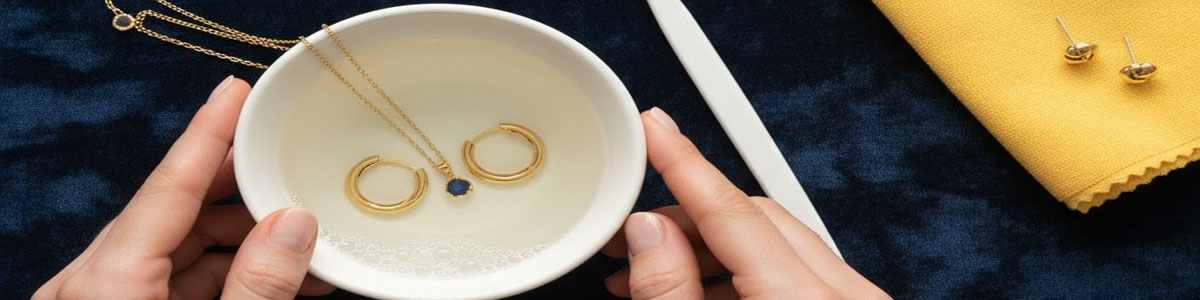
- The Routine Clean: Soak your pieces in a bowl of warm water with a few drops of mild dish soap. Use a soft-bristled toothbrush to gently scrub away grime, especially behind gemstones.
- Professional Upkeep: Once a year, take your most-worn pieces to a professional jeweler. They can provide a high-grade polish and, more importantly, check that any prongs or clasps are still secure.
- The Polishing Cloth: Use a dedicated gold polishing cloth to buff out tiny surface scratches and keep the luster high.
For Gold Plated: The Protective Protocol
Because the gold layer on plated jewelry is so thin, the goal is to prevent friction and chemical reactions. Think of plated jewelry as “last on, first off.”
- The “Dry” Rule: Always remove plated jewelry before swimming, showering, or washing your hands. Chlorine and salt water are particularly aggressive and can strip the plating in record time.
- Avoid the “Big Three”: Perfumes, lotions, and hairsprays are the enemies of gold plating. Apply these products first, let them dry completely, and then put on your jewelry.
- Smart Storage: Never toss plated pieces into a tangled pile. Store them in a soft microfiber pouch or a separate compartment in your jewelry box. This prevents other harder metals from scratching off that precious gold layer.
- Clean with Care: Never use jewelry cleaners or polishing cloths on plated items—they are often too abrasive. Instead, gently wipe them with a clean, damp cotton ball after each wear to remove skin oils.
Value is Subjective
In the world of fine jewelry, the debate between solid gold and gold plating isn’t about finding a universal “winner.” It is about matching the metal to your specific moment in life. Neither is inherently better; they simply serve different purposes for different needs.
If you are looking for a piece that will weather the decades, withstand the shower, and eventually be passed down to someone you love, solid gold is the undisputed champion. However, if you are looking to have fun with fashion, experiment with a bold new look for a Saturday night, or accessorize a vacation wardrobe without the stress of a high-value loss, gold plating is a brilliant and practical tool.
The Final Thought
Ultimately, the price tag on the shelf is only one part of the story. The true value of a piece comes from how much joy it brings you and how well it fits into your daily routine. Whether you are choosing a lifelong investment or a “just for now” trend, the most important step is being an informed consumer. After all, knowing exactly what you are buying is the ultimate luxury.
Ice Distro Wholesale: Your Premium Jewelry Partner
Finding a reliable source for high-quality pieces is the most critical step for any jewelry retailer or influencer. Ice Distro Wholesale specializes in bridging the gap between luxury aesthetics and accessible pricing.
Ice Distro focus on superior craftsmanship and transparent sourcing, Ensure that the core quality of the jewelry we sell meets the highest industry standards.. With a commitment to durability and shine, Ice Distro is the go-to partner for businesses looking to offer their customers the ultimate “look for less” without sacrificing the “feel” of real luxury.
Request OEM Service
Feel free to get in touch with us via this contact form. Our consultant will get back to you within 24 hours